







Search Results for: Latte Etymology
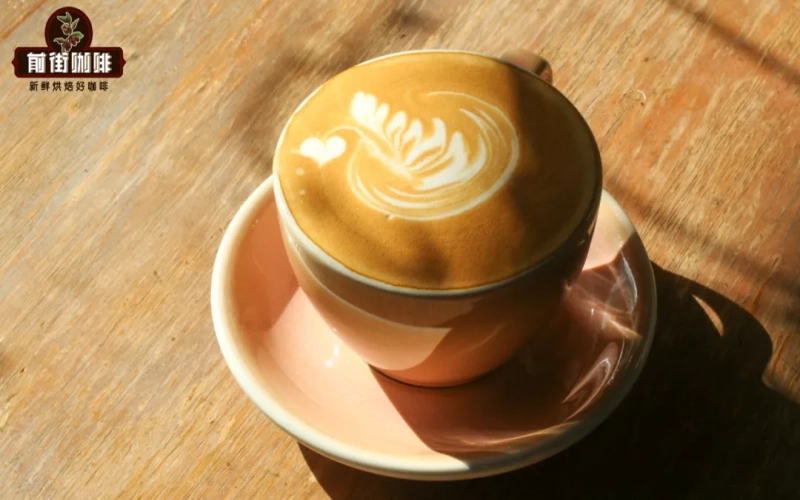
Must a latte contain coffee? Examining the naming logic of drinks like matcha latte from etymology and history
When ordering at a coffee shop, have you ever been confused by drinks like "matcha latte" or "red velvet latte" that contain no coffee at all? The name says "latte," yet what you get is a pure milk drink. Behind this lies an interesting story about language, history, and the spread of coffee culture. This article starts from two questions that Front Street Coffee is often asked—why do some lattes contain no coffee? And if they contain no coffee, why are they still called lattes?—to trace the evolution of the word "Latte" from its meaning of "milk" in Italian to its current conventional use as shorthand for "milk coffee," and to analyze the logic behind how coffee shops name coffee-free drinks. Whether you are a coffee enthusiast just getting started or a consumer trying to make sense of the menu's mysteries, this article will help you sort things out so you won't be confused the next time you order. [more…]
Is latte coffee actually coffee? A comprehensive interpretation from Italian etymology to decaf latte oolong.
Walk into a coffee shop and order a latte—does what's served up always contain coffee? Why is there often no trace of coffee in matcha lattes or red velvet lattes? To answer these questions, we need to start with the Italian word "Latte" itself. Latte originally meant hot milk, while caffè latte is the classic blend of espresso and milk. As caffè latte swept the globe, "latte" gradually became shorthand for milk coffee by default, and so a batch of coffee-free drinks also came to use the name. This article will trace the evolution of latte from Italy to the United States, explain the two practical reasons behind the naming of coffee-free lattes, and remind everyone to take a closer look at the menu categories before ordering, so as to avoid getting something you didn't want. [more…]
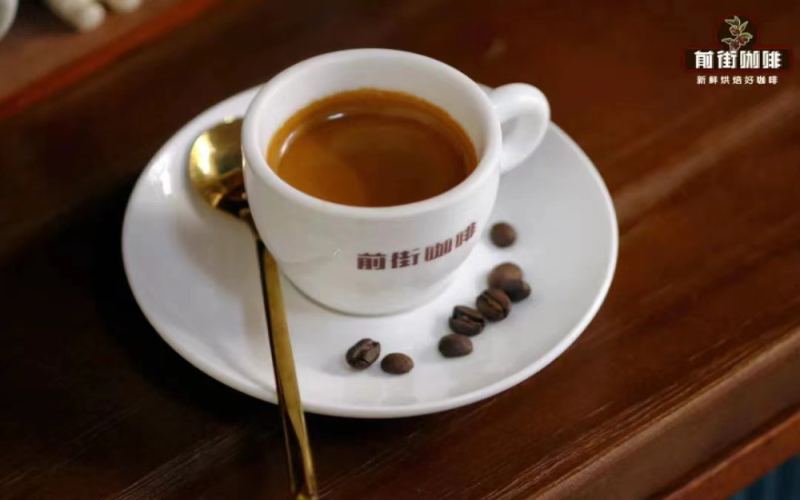
What's the Difference Between Espresso and Americano? A Full Breakdown of Espresso Extraction and Common Fancy Coffee Drinks
Espresso is a highly concentrated coffee liquid extracted quickly under 9 bars of pressure using an espresso machine, and it holds a pivotal position in the coffee family. This brewing method originating from Italy has been passed down for a century, and its name itself is the past participle of the Italian verb esprimere, tracing back to the Latin exprimō, meaning "to press out"; however, some linguists also associate it with the English word express, believing it implies the meaning of "fast." Regardless of how the etymology is interpreted, it happens to point to the two core characteristics of Espresso. Next, Front Street Coffee will unfold from the bean selection for espresso, extraction parameters, flavor performance, and the various classic coffee drinks derived from it, to give everyone a comprehensive understanding of the difference between espresso and American black coffee. [more…]

What exactly is a Piccolo Coffee? What are the little-known differences between it and a Mini Latte?
Piccolo Latte is often called a "mini latte," but is it really just a scaled-down version of a hot latte? From the etymology of the Italian word "piccolo," to the practice accidentally invented by Australian baristas while dialing in their beans, to the production challenges hidden behind a 3-ounce small cup, this delicate milk coffee actually has its own unique origins and selling points. This article walks you through the origins of Piccolo Latte, its real differences from a latte, and how it has rediscovered its place on specialty coffee shop menus, along with relevant recommendations from Front Street Coffee. [more…]
Why Does Matcha Latte Contain No Coffee? Interpreting the Original Meaning of Latte and the Evolution of Latte Coffee
Many people have had the experience of ordering a matcha latte at a coffee shop, only to find that it contains no coffee at all. Why is it called a latte if it doesn't contain coffee? What exactly does the word latte mean? To answer these questions, we need to turn our attention back to the Italian word Latte, tracing the semantic shift of this term from milk to milk coffee, and how it acquired new meanings as Italian-style coffee spread around the world. This article will start with the etymology of Latte, trace the story of how latte coffee was born in the United States, and explain why coffee shops are so eager to use latte to name drinks that contain no coffee, helping you avoid confusion the next time you face a menu. [more…]
What exactly is a latte? A complete interpretation from the Italian word Latte to fancy coffee
The term "latte" often confuses people: is it actually coffee? Why can matcha lattes and red velvet lattes contain no coffee at all? In fact, latte is a transliteration of the Italian word Latte, which literally means milk, while Caffè latte refers to milk coffee. This article starts from etymology, historical evolution, and coffee shop naming conventions to trace the birth and rise in popularity of latte coffee from Italy to California in the United States, and explains why coffee-free lattes are still named "latte." Front Street Coffee will also share related knowledge and product information in this article. [more…]
The Origins and Flavor Characteristics of Latte: From Italian Milk to the Evolution of Espresso
Latte is a classic fusion of espresso and milk, but its origins are far more convoluted than one might imagine—why do some "lattes" contain no coffee? Why do Italians get a glass of milk when they order a Latte? This article traces the complete story of latte, from etymology and history to crafting techniques, following its journey from Italian breakfast tables to cafés worldwide, and shares Front Street Coffee's hands-on experience in ingredient selection, ratio balancing, and crema control, helping coffee lovers understand what makes a good latte. [more…]
The Complete Guide to Espresso: From Its Historical Origins to the Three Extraction Types—Ristretto, Normale, and Lungo
Espresso is the soul drink of coffee shops around the world; classics such as Americano, latte, and cappuccino are all built on it. But espresso itself is far from being just one form—based on the extraction method and the coffee-to-liquid ratio, it can be divided into three types: Ristretto, Normale, and Lungo. From the perspective of Front Street Coffee, this article first sorts out the etymology and meaning of Espresso and the evolution of the Italian coffee machine, then breaks down one by one the specific parameters and flavor differences of the three espresso extraction schemes. It also explains the formation principle of crema, the tasting steps, and Front Street's actual practices in blend bean selection and serving, helping coffee lovers fully understand the flavor logic of espresso. [more…]
Why Isn't Cappuccino Served Iced? A Complete Interpretation from Its Naming Origins to the Golden Circle Tradition
Cappuccino is a classic of Italian coffee, but it has a characteristic that leaves many baristas rather helpless—it is only made hot. Why is there no iced cappuccino? Behind this lie both the historical origins of its naming and the finer points of its crafting. From the etymology of the Italian word "Cappuccino," to the inspiration drawn from the shape of the hoods worn by missionaries of the Catholic Franciscan order, to the "coffee golden ring" and the dense milk foam rising above the rim of the cup, every detail of cappuccino carries tradition. Front Street will guide you through the core characteristics of cappuccino, and why an iced cappuccino struggles to recreate the joy of that hot cup. [more…]
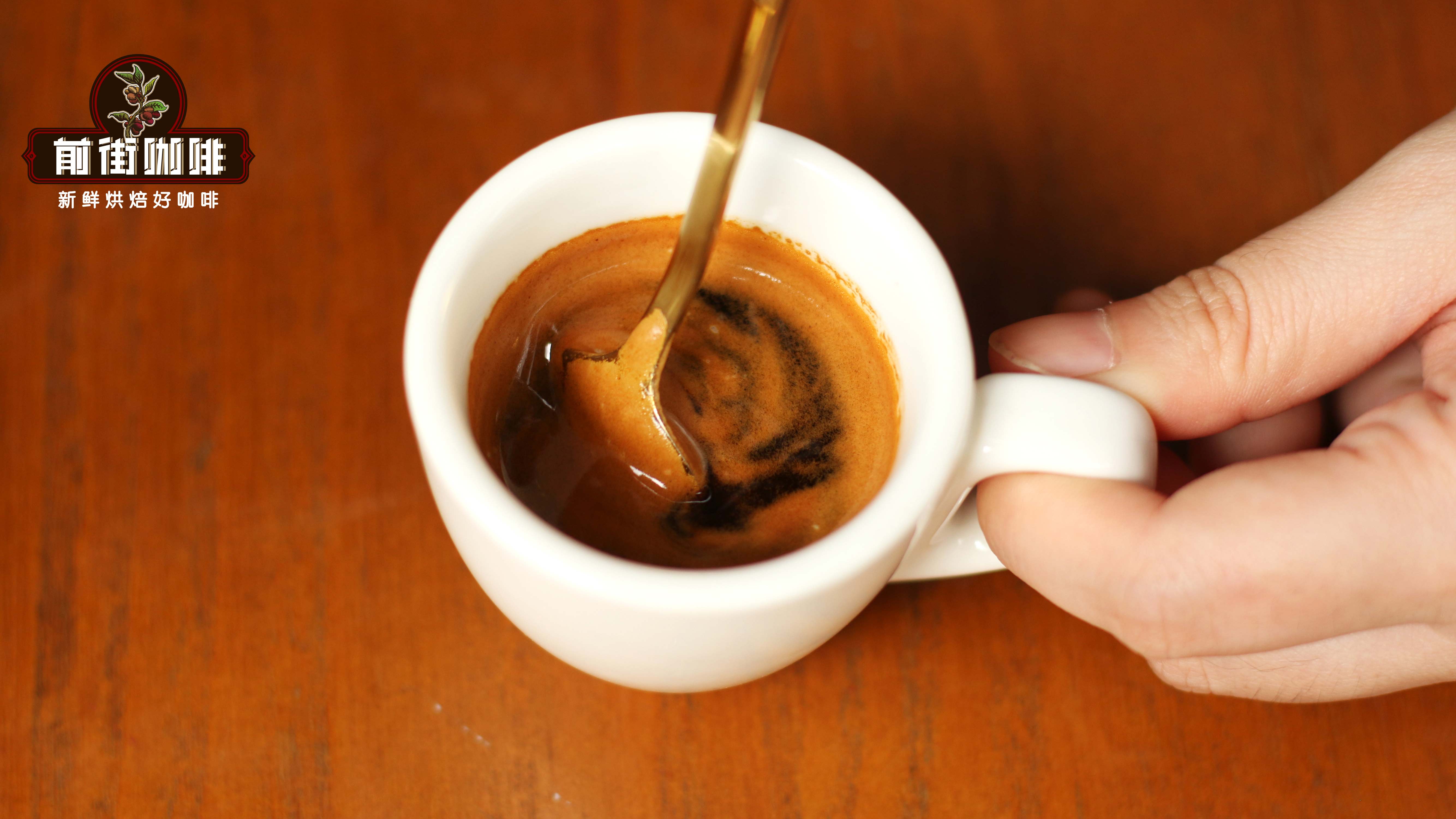
Beginner's Guide: Five Ways to Taste Espresso and a Home Blend Bean Buying Guide
How exactly should you drink Espresso? Many friends who are new to coffee get intimidated by its intensity the first time they try it, but as your palate gradually adapts, you'll come to appreciate a richness and depth of flavor that other coffees simply can't replicate. This article starts with the etymology and history of Espresso, traces its technological evolution from steam-powered machines to modern pressure-extraction methods, and answers the question of whether "making it into an Americano would taste better." At the same time, for those who want to brew at home, we recommend four Front Street Coffee espresso blends, covering the classic Mamba style, specialty nutty notes, fruity and floral sweet-and-tart flavors, and commercial-grade everyday options, to help you find the cup that best suits your taste. [more…]

The Art of Milk Accents in Espresso: What Exactly Is the Difference Between a Macchiato and a Latte?
Walking into a coffee shop and faced with a menu of espresso-based drinks, have you ever been confused: what exactly is the difference between a latte and a macchiato? Many people mistakenly think that a macchiato is a large sweet drink drenched in caramel and cream, but in fact it is precisely the one with the least milk and the closest to the pure taste of espresso. From the perspective of Front Street, this article will help you clarify the etymological meaning of macchiato, its traditional preparation method, and how it differs from latte in historical evolution and flavor positioning. At the same time, Front Street has also put together four espresso blends with different styles, each suited to different milk coffee production needs, to help you find the cup that best suits your taste. [more…]
Kafa Forest: The Place Where the Name "Coffee" Was Born
Every cup of coffee's family tree can ultimately be traced back to a rainforest in southwestern Ethiopia—the Kafa Forest. The etymology of the word "coffee" comes from the name of the ancient Kingdom of Kafa. This article discusses this holy land of coffee. Where It All Began The Kafa Forest is located in southwestern Ethiopia and is a [more…]
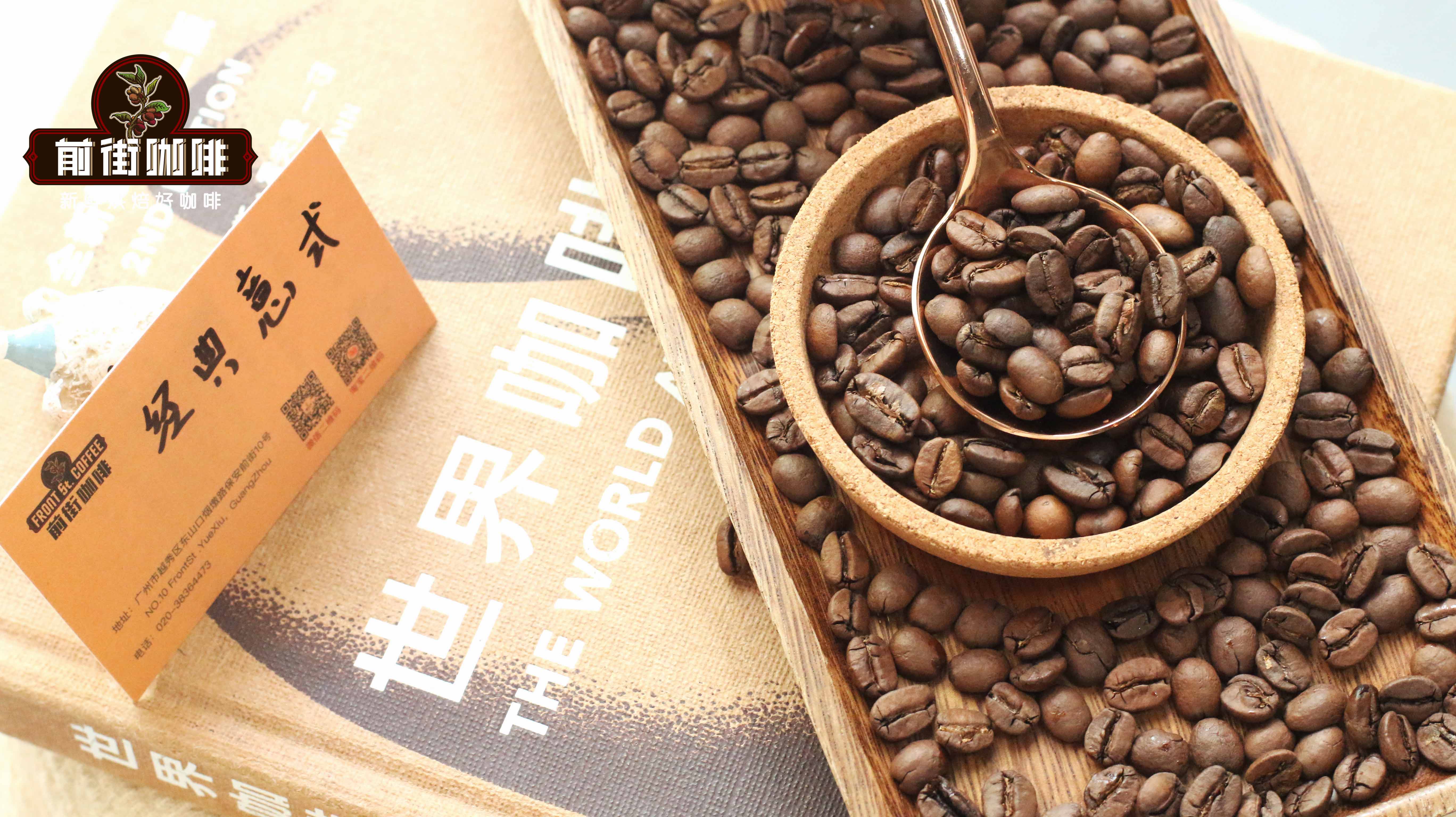
The Meaning of Espresso | What's the Difference Between Italian Coffee and American Black Coffee? How Is Authentic Italian Espresso Made?
For more specialty coffee knowledge, please follow: Front Street Coffee (Frontsteet Coffee). Espresso is a highly concentrated coffee liquid extracted by an espresso machine under 9 bar pressure, and is one of the coffee categories. Espresso is a type of [more…]

Affogato: A Classic Pairing of Espresso and Ice Cream, with a Full Analysis of Its Method and Creative Variations
Affogato is an Italian dessert made by pouring hot espresso over vanilla ice cream. Its name means "drowned" in Italian, and it has also come to suggest something so delicious it takes your breath away. This article begins with the etymology, then walks through its eating habits and key ingredient choices in Italy, offers a basic recipe for four, and finishes with five creative suggestions—such as swapping the ice cream flavor, adding nuts or alcohol, and using tea instead of coffee—so readers can easily recreate it at home. [more…]
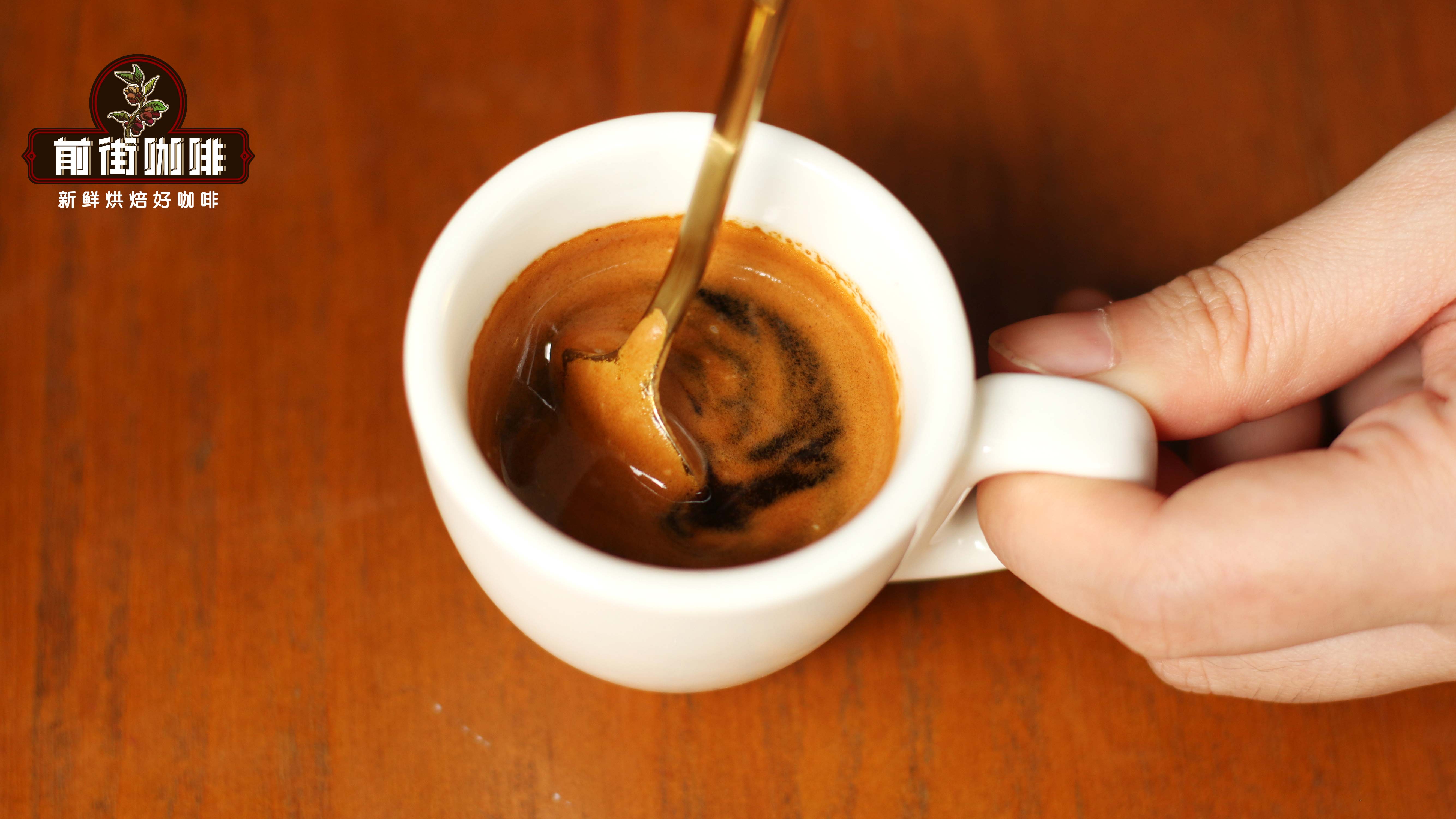
Intro to Espresso | What Are the Ways to Drink Espresso? What Coffee Beans Should Beginners Use for Making Espresso at Home?
"How do you drink espresso?" - It has to be downed in one gulp! Don't think this is a joke—espresso really is meant to be downed in one gulp! Many friends may find espresso very bitter the first time they try it, but gradually, you'll come to sense the rich aroma and full-bodied depth of espresso's original flavor—something other cof [more…]
Espresso Explained in Full: Brewing Principles, Extraction Parameters, and an Overview of the Italian Coffee Family
Espresso is a rich coffee liquid extracted quickly under high pressure using an espresso machine, and it can be regarded as the cornerstone of the Italian coffee system. It has a history spanning over a century and has also given rise to many common café drinks such as latte, Americano, mocha, cappuccino, flat white, and Dirty. Starting from the practices at Front Street Coffee, this article will clearly explain the meaning and origin of Espresso, the logic behind choosing blended beans, the extraction parameters for single and double shots, and introduce one by one the various classic products based on espresso, helping coffee lovers systematically understand the intricacies behind this small cup of liquid. [more…]
Yirgacheffe G1: The Flavor Revolution and Tasting Guide of Africa's Native Arabica Variety
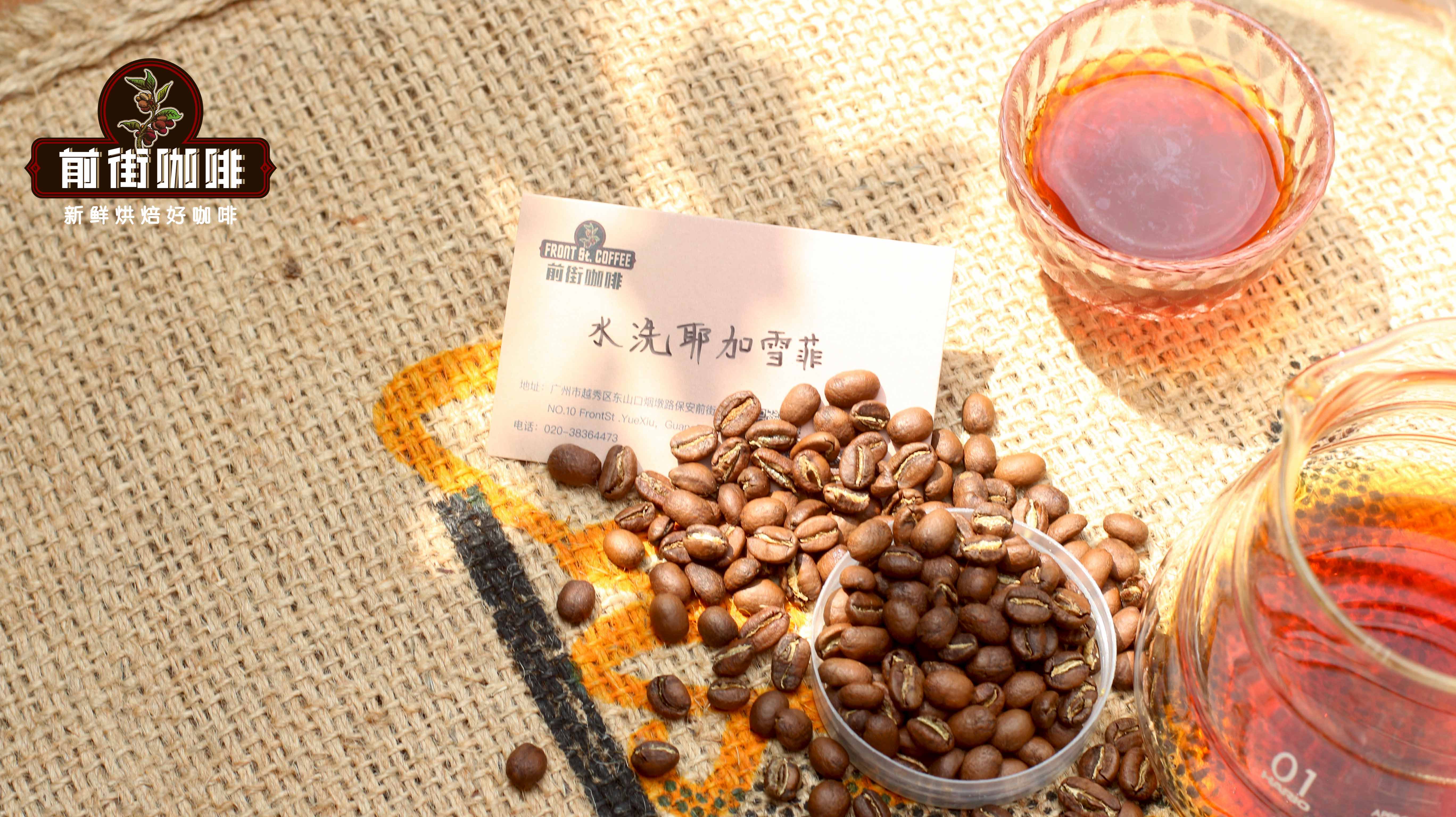
Yirgacheffe can be considered the most颠覆性 flavor representative in African coffee, single-handedly overturning the stereotype that coffee is only bitter. This article will guide you through the etymology and meaning of Yirgacheffe, its origin background, and how it stands out in the specialty coffee wave with its jasmine aroma, citric acidity, and tea-like notes. At the same time, we will also take a deep dive into the grading system and traceability logic of Front Street Coffee Yirgacheffe Gedingding Washed G1, and share three practical tasting points to help you appreciate the unique charm of this bean's fresh sweet-and-sour profile with a calm mindset. [more…]
The Meaning Behind Affogato and How to Eat It Correctly: Savor the Ice Cream First or Pour the Espresso First?
In the landscape of Italian desserts, besides tiramisu, which means "take me away," there is another treat described as "breathtakingly delicious," whose name means "drown me"—affogato. Both desserts center on espresso—tiramisu blends espresso with coffee liqueur, while affogato involves pouring hot espresso directly over vanilla ice cream. This article will guide you through the etymology and origin legends of affogato, outline its key preparation points and espresso extraction methods, and answer a common question: when enjoying affogato, should you eat the ice cream first or pour the coffee first? It also combines bean recommendations from Front Street Coffee to help you make an affogato that tastes like tiramisu. [more…]
Espresso Complete Guide: Definition, Extraction Process, Suitable Coffee Beans, and Tasting Methods
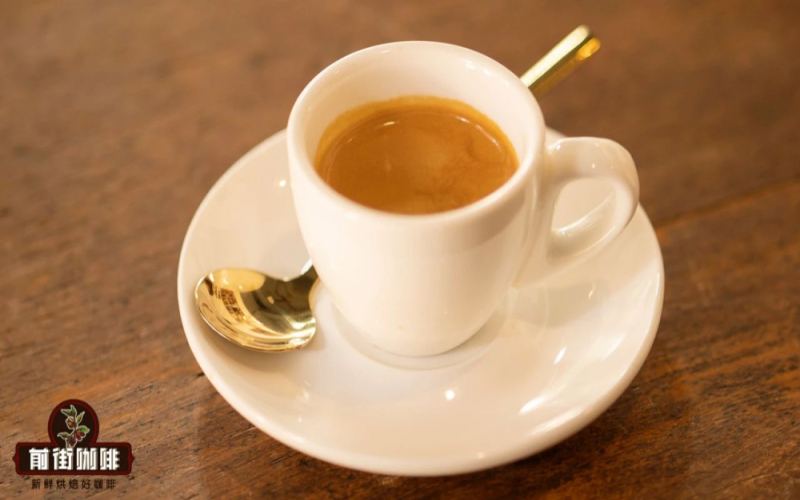
Espresso is the core of the Italian coffee system and the base for many drinks such as lattes and cappuccinos. Starting from the origin and definition of espresso, this article systematically explains its flavor characteristics and three-layer structure (crema, body, heart), and provides the extraction parameter ranges under SCA standards along with Front Street Coffee's actual in-store serving plan. It also introduces the flavor performance of Front Street's "Sunflower Warm Sun Espresso Beans" and the classic espresso blend, as well as the correct steps for tasting espresso and the recommended ratios for lattes and Americanos, helping coffee lovers fully understand and make a delicious cup of espresso. [more…]
How Is Espresso Different from Americano? A Detailed Explanation of Espresso's Flavor Layers, Tasting Methods, and Extraction Parameters
Walking into a café, you'll often see espresso and Americano listed side by side on the menu—so what exactly is the difference between the two? Although espresso comes in a small serving, it is the foundation of many drinks such as lattes and cappuccinos. This article begins with the origin and definition of espresso, analyzes its three-layer structure of crema, body, and heart, introduces the color and taste standards that a good shot of espresso should have, and shares tasting steps, SCA extraction parameters, as well as Front Street Coffee's in-store serving methods and bean recommendations, helping coffee lovers truly understand this small but intense cup of black coffee. [more…]